

Competitive Pricing Key To Sales Success
 By Lisa Scontras
It’s no surprise to most that homes that smell bad, are dirty or show signs of neglect are big turn-offs to prospective buyers.
“Buyers hate clutter,” says Nicole Choi, Realtor and partner at Prudential Locations LLC. “And that is followed by uncleanliness – especially carpet, pet and other odors.” But the biggest mistake, hands down, occurs when sellers inflate the value of their homes.
“By far the worst thing a seller can do is over-price their property,” says Choi. “Proper pricing counts even more now as we head into the busiest selling months of the year.”
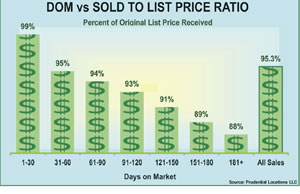
She explains that interest from both broker and buyer is at its highest when a home is first put on the market – and interest will remain at peak levels during the first four weeks while the listing is still fresh. But if a property is priced too high during this crucial period, it won’t attract the right buyers. And once that momentum is lost, according to Choi, it’s difficult to recover.
“Overpricing a property simply creates the need to reduce the price at a later time to compete with the more competitive listings,” she adds. “Sellers end up getting a lower price than if they’d priced it right from the beginning. Setting a realistic, market-based listing price, on the other hand, ensures that your home appeals to the largest number of qualified buyers. This greater interest, in turn, leads to a better chance of more offers.”
Pricing a property correctly requires an in-depth understanding of the current market. So how much is right?
“To evaluate market value, we analyze recent comparable sales activity,” says Choi. “This is called the comparative market analysis or CMA.”
There are three factors to evaluate: comparing the home to others that have recently sold, others currently listed and making any adjustments in the case of extraordinary improvements.
The most important factor a CMA will analyze is the sold price of other homes in the neighborhood, not the asking price – and there can sometimes be a sizable difference. The most common mistake sellers make when pricing their property is to only consider the asking prices of other listings, Choi notes.
“A list price does not suggest market value of a home,” she says. “It is simply the ‘asking price’ or ‘dream sheet’ of another seller and may not represent the actual market value.” She reminds sellers that today’s buyers have access to all real estate sales information. They also are smart, cautious and unwilling to pay more than the actual market value for a property.
“The amount the seller needs for a replacement property, the cost of improvements, tax assessed value, and the original price paid for the home are not important to the buyer,” adds Choi. “Buyers establish value based on different criteria. Their perception of market value is relative to other recent sales of similar properties.”
Pricing a property with a cushion for negotiation also is considered overpricing and carries with it the same consequences of pricing a property too high. The number of buyers is automatically reduced, so the likelihood of receiving an acceptable offer also is dramatically reduced.
Choi warns sellers not to pick a real estate agent based on who offers the highest list price or the lowest commission. While these are both good tactics to get your listing, they are not good ways to get your listing sold.
“No Realtor, no friend, no neighbor can set the market value for your home,” urges Choi. “Market value is determined by the value a buyer and seller agree upon. Once a buyer and seller agree on a price, the market has spoken – nothing else matters.”
See More Listings